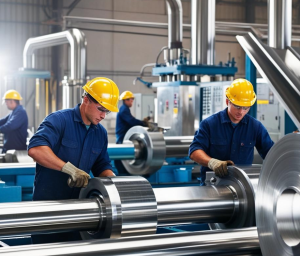
The chemicals and petrochemicals industry has long been at the forefront of industrial innovation. Yet today, a new wave of transformation is underway—driven not by new materials or chemical processes, but by digitalization. From real-time data analytics to AI-powered automation, digital tools are reshaping every aspect of the sector. But what does this really mean for chemical manufacturers?
Let’s explore how digitalization is revolutionizing the chemicals and petrochemicals industry—and why companies embracing these changes are poised for long-term success.
1. Real-Time Visibility and Control
Traditional chemical plants often relied on delayed reports, manual logs, and siloed data to monitor operations. Today, Industrial Internet of Things (IIoT) devices and advanced sensors allow real-time tracking of production variables—temperature, pressure, flow rates, and more.
Digital platforms like Edgemon consolidate this data into centralized dashboards, giving operators full visibility over multiple production lines. This immediate feedback loop enables:
- Faster response to anomalies
- Improved batch consistency
- Reduced unplanned downtime
2. Predictive Maintenance
One of the most cost-intensive challenges in chemical manufacturing is equipment failure. Predictive maintenance, powered by AI and machine learning, uses historical data to forecast when machines are likely to break down. This shift from reactive to proactive maintenance leads to:
- Lower repair costs
- Increased equipment lifespan
- Fewer safety risks
Platforms like Edgemon collect sensor data from pumps, valves, compressors, and other critical assets to notify teams before a failure occurs.
3. Advanced Quality and Compliance Management
In a highly regulated industry, ensuring product quality and meeting compliance standards is non-negotiable. Digital solutions now enable end-to-end traceability—from raw materials to finished goods.
Tools like Complaint & Quality Assessment modules help trace customer complaints back to the exact machine, shift, or raw material batch. Digital checklists and real-time quality metrics further reduce human error and streamline audits.
4. Workforce Empowerment Through Digital Tools
Digital transformation isn’t just about machines—it’s also about people. With modern tools like mobile field control, frontline workers can use tablets or phones to conduct inspections, complete checklists, and report issues instantly.
This empowers teams to make data-backed decisions, while also fostering a culture of ownership and accountability. Shift logs, task scheduling, and live dashboards enhance coordination between teams and across departments.
5. Smarter Decision-Making Through Analytics
One of digitalization’s biggest advantages is turning raw data into actionable insights. BI dashboards and analytics tools allow manufacturers to:
- Track KPIs like OEE, yield, and energy efficiency
- Monitor trends and identify bottlenecks
- Simulate process changes before implementing them
By visualizing plant-wide data, leaders can optimize production, reduce waste, and allocate resources more effectively.
6. Sustainability and Energy Efficiency
With growing pressure to reduce environmental impact, digital tools can help manufacturers meet sustainability targets. Real-time energy monitoring, emissions tracking, and intelligent scheduling can dramatically cut down energy usage.
Some plants are also leveraging digital twins—virtual replicas of physical assets—to model greener, more efficient production scenarios.
Conclusion: The Future Is Digital
Digitalization is no longer optional in chemicals and petrochemicals manufacturing—it’s a competitive necessity. Those who embrace data-driven tools and AI-powered systems gain a decisive edge in productivity, compliance, and innovation.
Platforms like Edgemon bring together all the key components—real-time dashboards, predictive analytics, mobile control, quality tracking, and more—into a single, scalable solution.
As the industry continues to evolve, manufacturers that invest in digital infrastructure today will shape the smart factories of tomorrow.